
Service
Maintenance & Repair
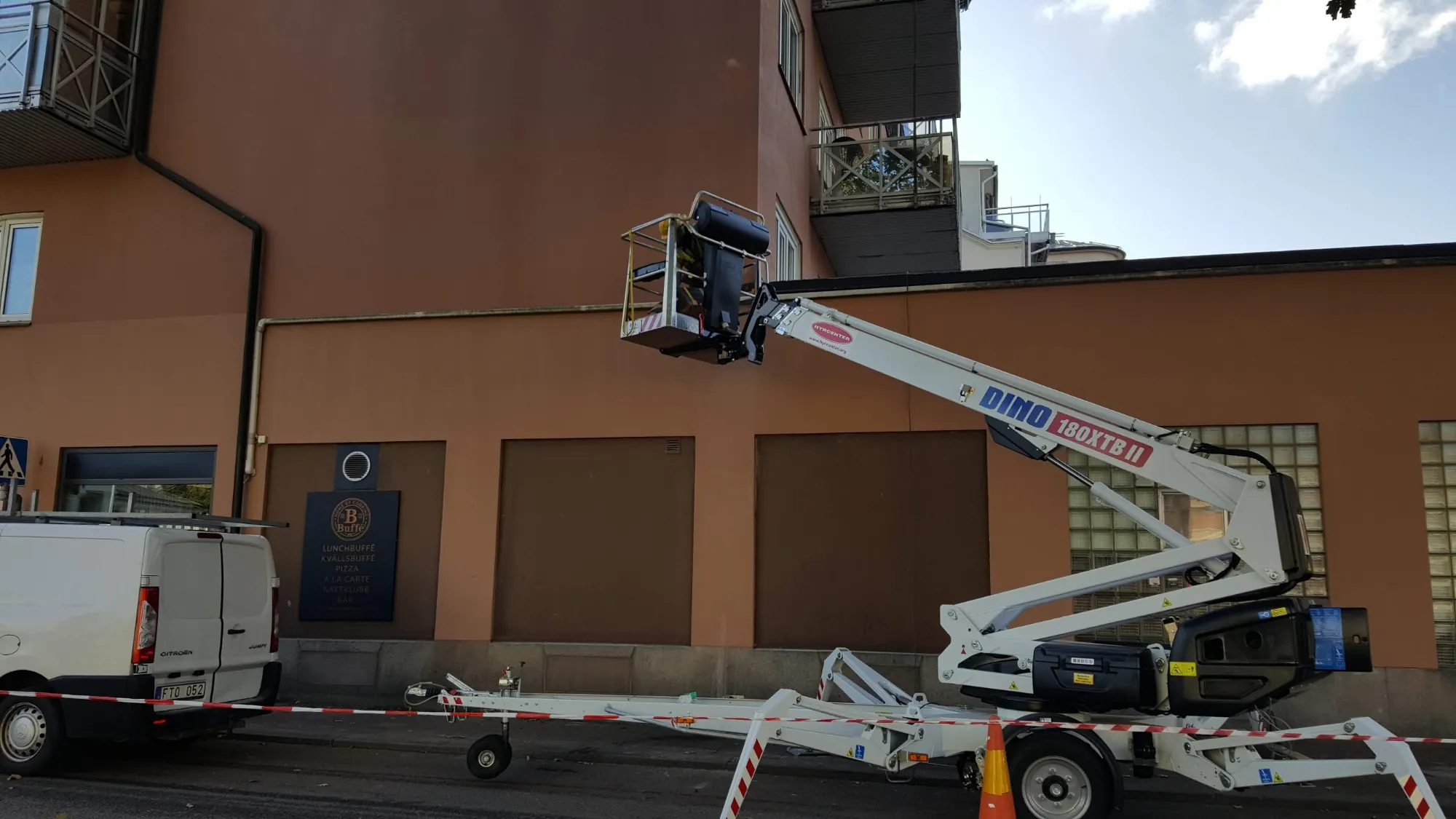
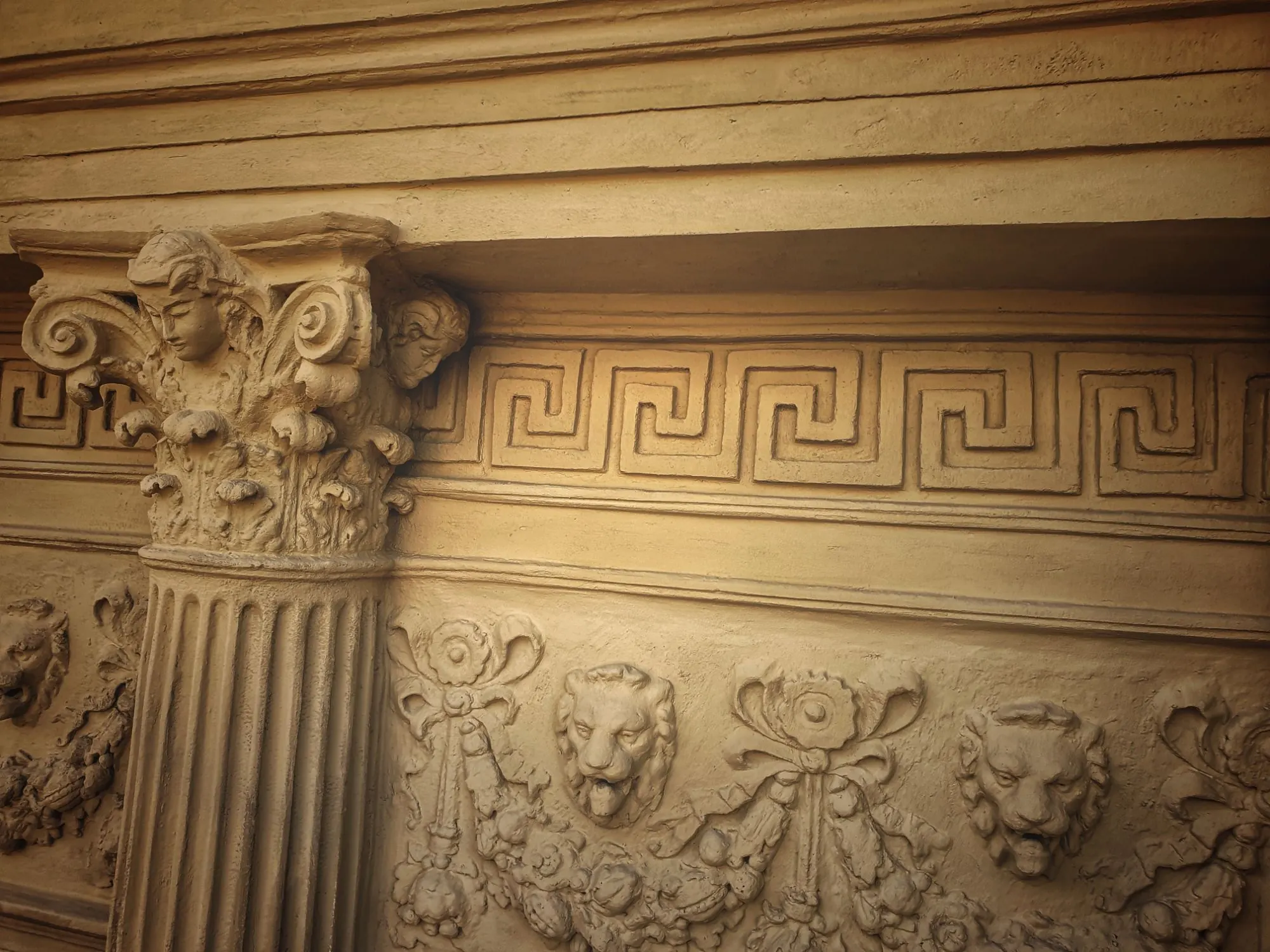
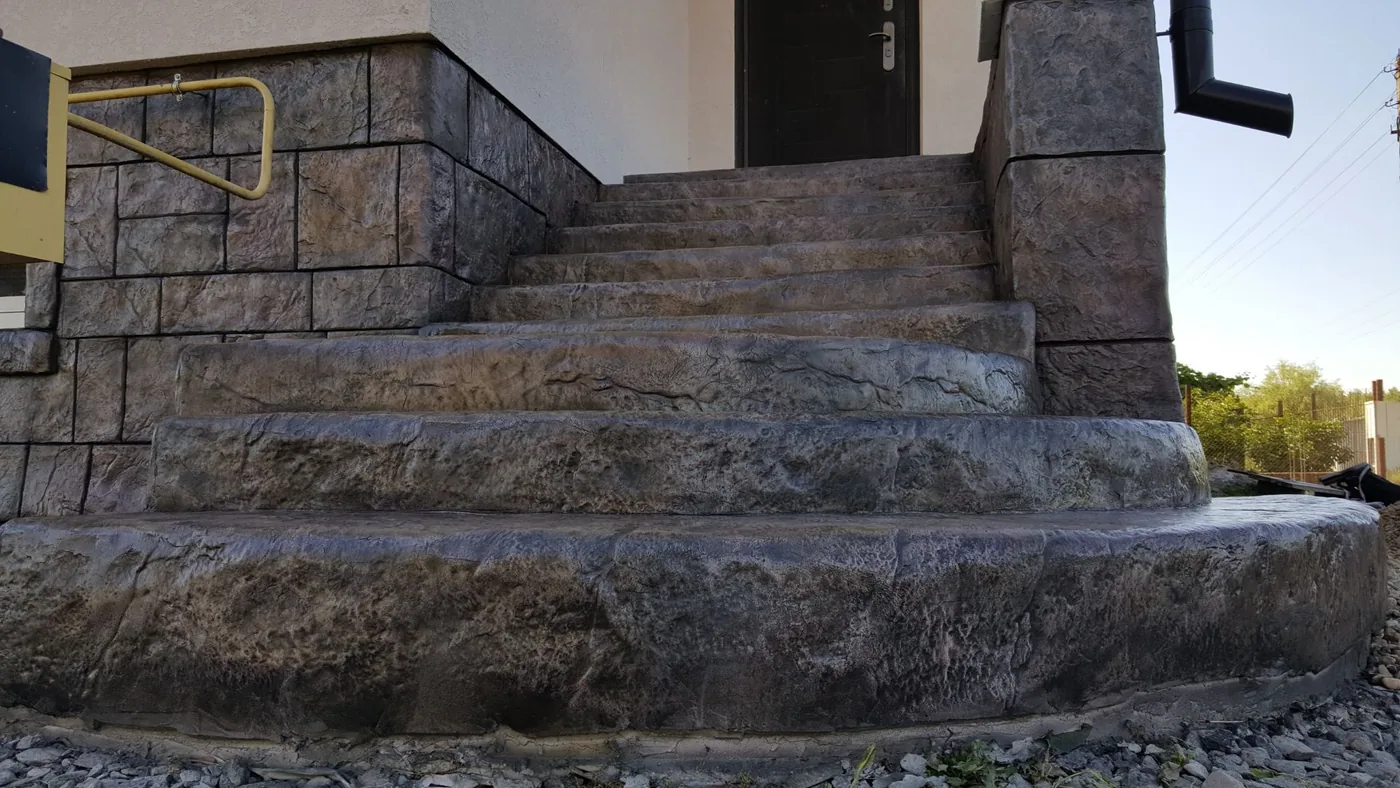
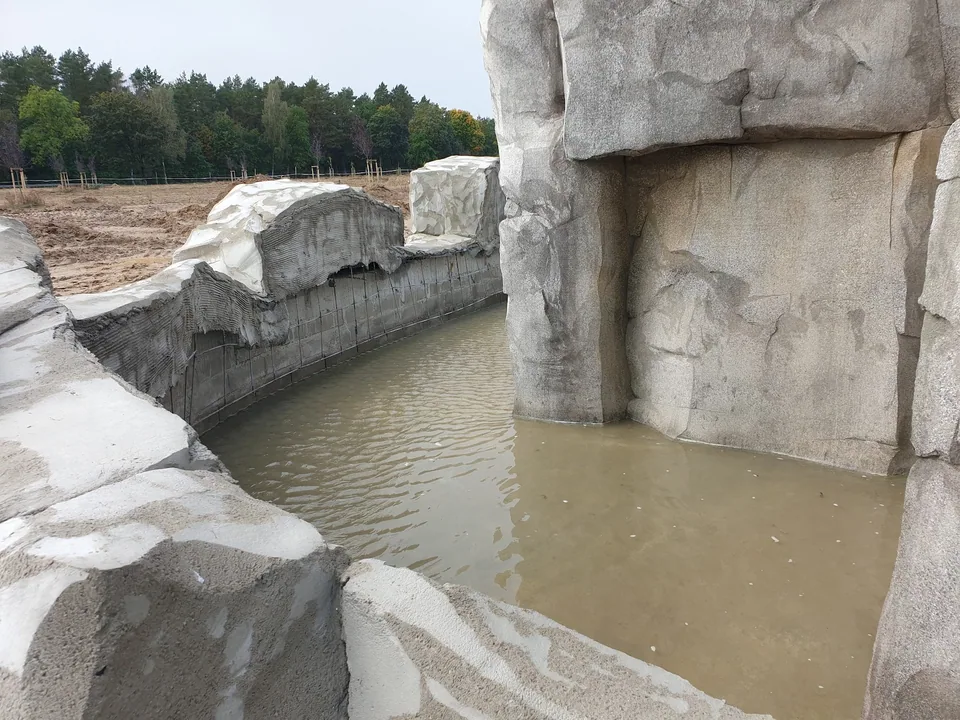
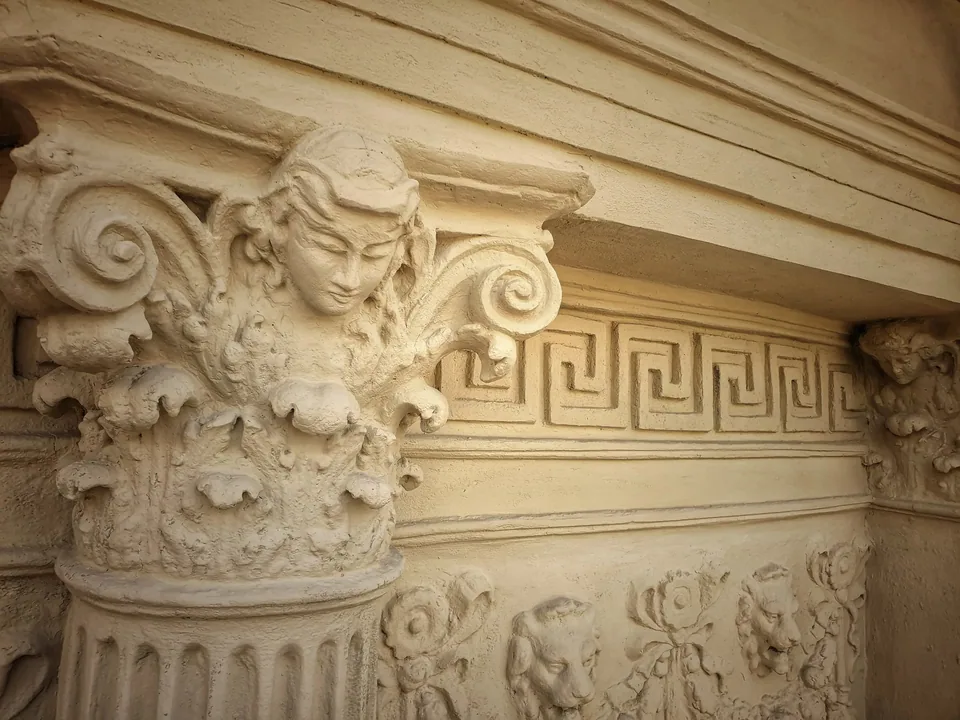
Repair, restoration and improvement of themed environments
Themed environments do not end on opening day.
Artificial rockwork, sculptures, themed facades, water features and visitor areas are exposed to weather, water, UV light, frost, cleaning, vibration, animals, children, thousands of visitors and years of daily use.
Even good work needs inspection and maintenance. Poorly built work often needs repair much sooner.
Artisan Aleks Company helps parks, zoos, aquaparks, hotels, resorts, cities and private clients restore, repair and improve existing themed and sculptural elements.
Common problems we see
Many themed elements begin to fail because small technical details were ignored during construction.
Typical issues include:
Cracks in sculptural layers
Water entering behind the surface
Weak or hollow areas
Loose parts or damaged details
Paint fading from UV exposure
Wrong coating systems
Frost and moisture damage
Poor drainage around rockwork
Damage from visitors, animals or cleaning
Previous repairs that do not match the original texture or color
What we repair
We can inspect and repair many types of artistic and themed construction, including:
Artificial rockwork
Sculptures and landmark objects
Themed facades and entrances
Decorative concrete and sculptural surfaces
Waterfalls, grottos and water features
Zoo habitats and animal environment elements
Aquapark and pool-area decoration
Themed walls, caves and immersive interiors
Cracked, faded or damaged scenic finishes
Old paint, patina and surface aging problems
Maintenance for parks, zoos and resorts
Visitor destinations need durable environments.
A cracked rock, faded sculpture or damaged themed wall can affect the guest experience, safety perception and overall quality of the place. Regular inspection and targeted repair can often prevent larger and more expensive problems later.
We can support:
Seasonal inspections
Repair planning
Color and patina refresh
Texture restoration
Local damage repair
Water-related damage assessment
Improvement of weak details
Long-term maintenance recommendations
More than cosmetic repair
A repair should not only hide the problem for a few months.
We look at the practical reason behind the damage: water, movement, weak layers, poor material choice, missing reinforcement, bad coating, lack of drainage or heavy visitor use.
When needed, we can restore both the visual appearance and the technical performance of the element.
Our goal is simple: make the work look natural again and help it last longer.
Respecting the original design
Not every repair should look new.
In many cases, the best repair is invisible. We match texture, color, aging, dirt, shadow, mineral marks and natural surface variation so the repaired area belongs to the original environment.
For themed spaces, visual continuity matters.
Technical note
Some structural issues may require assessment by a licensed engineer, especially when public safety, heavy loads, large structures or building regulations are involved.
We can cooperate with engineers, architects, contractors and facility teams to provide artistic, material and themed-construction expertise as part of the repair process.
Request a repair assessment
If you have damaged artificial rockwork, sculptures, themed facades, water features or decorative concrete elements, send us photos, location, approximate size and a short description of the problem.
We can help determine whether the issue is cosmetic, technical or both — and what kind of repair approach may be needed.
Early signs
Warning signs worth checking
Some problems can be spotted early if you know where to look.
- Hairline cracks at edges and module joints
- Streaks below gaps
- A hollow sound when the surface is tapped
- Crumbling fine details
- Discolouration in constantly wet areas
Method
How we repair
Not every surface is repaired with the same system. Cementitious elements, EPS/XPS lightweight structures, composites, steel and surfaces in permanent contact with water each need a different approach.
Diagnosis
Assessment of the structure, materials and causes of damage.
Structural repair
Strengthening and rebuilding of load-bearing elements, after cleaning and removal of weak material.
Texture restoration
Form, colour and detail matched to the original, including patina and ageing.
Protection
Coatings selected for the conditions in which the piece operates.
In practice
Other contractors’ work, phasing and upgrades
We also repair work built by other companies. The first step is to establish what materials and system the piece was built with, because that decides the repair method; the repair material must be compatible with it. If the original technology proved inadequate, we can propose a different solution for the repaired section, and we can take over the restoration of another contractor’s elements.
At operating sites the work can be phased, or scheduled in technical breaks and closed seasons. If a repair reveals a problem for a structural engineer, a services designer or another specialist, the scope of that work is agreed with the client before we continue.
Restoration can also be an opportunity to upgrade: a new colour scheme, new textures, lighting and special effects, or an extension of an earlier project. It is worth agreeing a maintenance plan at handover: how often to inspect, what can be cleaned safely and with what, when to renew the protective coating and whom to call at the first sign of cracking. After a repair the piece is still not maintenance-free, and we give recommendations for long-term upkeep.
Restoration on film
YouTube videos load only after you click play.