FAQ — Timelines, Materials & Guarantees
Clear expectations before the work begins
We believe complex artistic and themed construction projects should be clear before the work begins. This FAQ explains typical timelines, materials, guarantees, site responsibilities and possible changes during the project, so clients understand the practical side of building durable themed environments.
Every project is different. A sculptural facade, artificial rockwork, themed entrance, water feature, zoo habitat, private interior or hidden room may require different planning, materials and coordination.
Our goal is to make the process transparent before production starts, so clients understand what affects time, cost, durability and long-term maintenance.
1. How long does a project usually take?
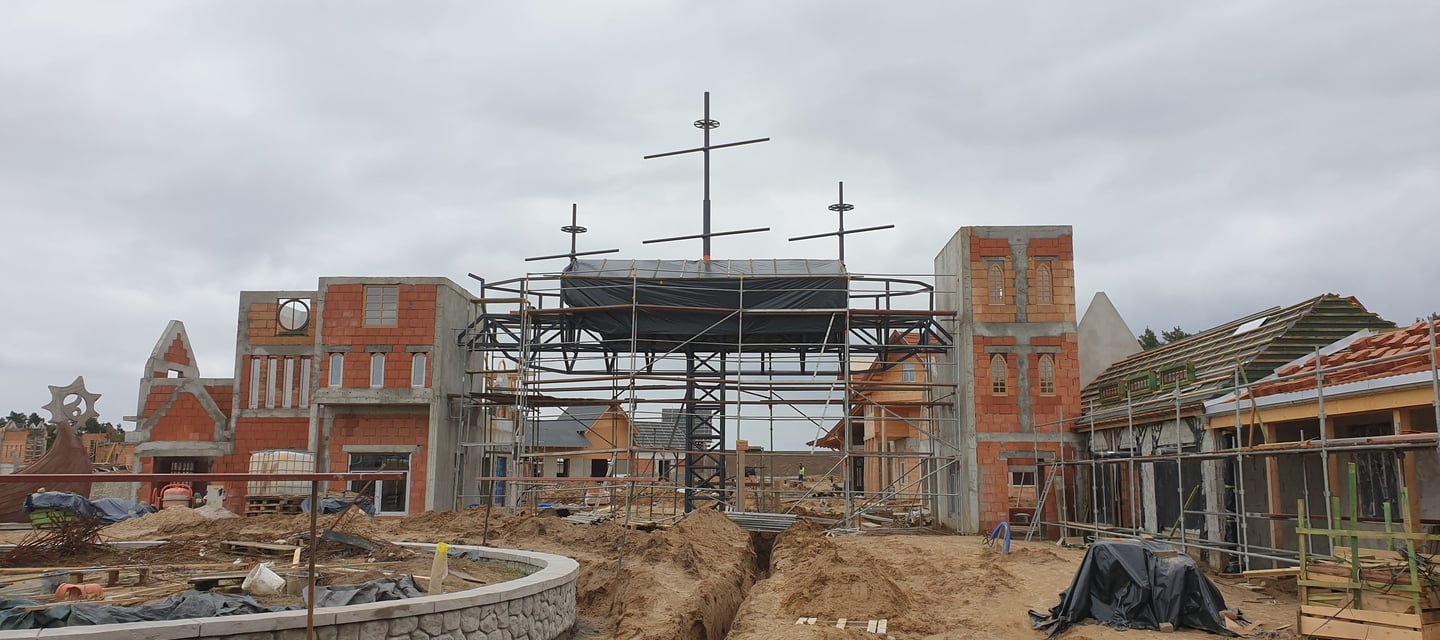
Project timelines depend on the size, complexity, site conditions, approval process, weather, access and the number of changes during the work.
Small sculptural or decorative elements may take several weeks. Larger themed environments, façades, artificial rockwork or landmark objects may require several months from planning to completion.
A realistic schedule can only be confirmed after the scope, dimensions, materials, access and approval stages are clear.
2. Can the timeline change during the project?
Yes. Timelines may change if the scope changes, the client requests new visual or technical solutions, site conditions differ from the original assumptions, access is limited, weather affects outdoor work, or approvals are delayed.
Even a small creative change can influence weight, fixing points, waterproofing, drying time, access, material quantity or installation sequence. For this reason, changes after approval should be treated as a formal change order.
3. What materials do you use?
Materials are selected according to the project requirements, location, exposure and expected durability. Depending on the project, we may use reinforced concrete systems, cement-based sculpting layers, EPS/XPS cores, steel or mesh reinforcement, waterproofing layers, mineral coatings, protective sealers, paints, patinas and other specialist materials.
We do not use one universal system for every project. Outdoor sculptures, artificial rockwork, façades, water-adjacent elements and indoor scenic elements all require different technical decisions.
4. Are your outdoor projects maintenance-free?
No outdoor artistic or construction element should honestly be described as completely maintenance-free.
Our focus is on durable, low-maintenance systems designed for real outdoor conditions. However, long-term performance also depends on correct use, drainage, waterproofing, site conditions, inspections, cleaning, protection from mechanical damage and proper maintenance when needed.
Durability is not only about the surface. It depends on the full system behind the visible finish.
5. Do you provide a guarantee?
Yes, we can provide a workmanship guarantee for the agreed scope of work. The exact guarantee period and conditions depend on the project type, materials, location, exposure, technical specification and contract.
The guarantee normally applies to the work performed by our team within the agreed system and approved conditions.
It does not cover damage caused by structural movement of existing buildings, water ingress from unrelated construction defects, vandalism, impact damage, misuse, lack of maintenance, changes made by others, hidden site conditions, incorrect substrate preparation by others or extreme conditions outside the agreed design assumptions.
6. What must be approved before production starts?
Before production or installation begins, the main visual direction, dimensions, scope of work, materials, access, installation method, site responsibilities and approval stages should be clear.
For complex projects, we may recommend sketches, reference images, samples, mock-ups or technical discussions before final execution. This helps define the visual target and reduce the risk of misunderstanding.
7. What happens if the design changes after approval?
Creative changes are normal in artistic and themed projects. However, once a design, scope, material system or installation method has been approved, later changes may affect price, schedule, structure, weight, fixing points, waterproofing, access or durability.
For this reason, changes after approval should be confirmed in writing before they are carried out.
8. Who is responsible for site conditions?
Site conditions must be discussed before work begins. Depending on the project, the client may need to provide clear access, scaffolding or lifting equipment, power, water, safe working conditions, structural information, permits, base preparation or coordination with other contractors.
If actual site conditions differ from the information provided before the work, the scope, schedule or cost may need to be adjusted.
9. Do you handle engineering and structural calculations?
We understand the technical side of sculptural and themed construction and can work with structural logic, reinforcement concepts and practical installation methods.
However, when local law, building permits or structural responsibility require formal calculations, these should be provided or approved by a qualified engineer licensed for the relevant country or project.
10. Why is early clarification important?
Because many project problems do not come from the creative idea itself. They come from unclear assumptions.
If structure, materials, maintenance, water exposure, access, approvals, deadlines and responsibility are not discussed early, small decisions can become expensive problems later.
Our approach is simple: protect the creative result by making the practical risks visible before they become disputes.
This FAQ provides general information only.
Final project terms, guarantee conditions, responsibilities and exclusions are always defined in the individual offer, technical specification and contract.
Large-Scale Themed Environments & Rockwork
Built to Last — Not Just to Look
Member of TEA — Themed Entertainment Association.
Available for selected international projects.
info@artisanaleks.com
© 2008–2026 Artisan Aleks Company™
Artisan Aleks Company